The online lending market rewards companies that move fast and market well — which is not the lender same as the market rewarding companies that treat borrowers well. For consumers, telling the two apart requires a simple, repeatable framework. Here is one that holds up across markets.
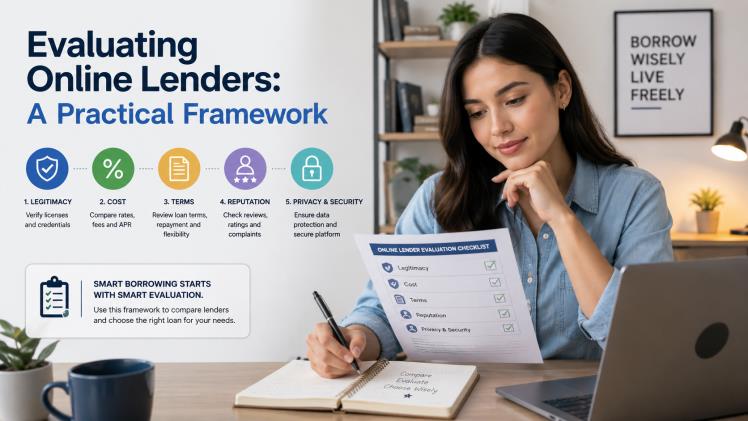
- Registration and legitimacy. A trustworthy lender is registered with the appropriate financial regulator and makes that verifiable. This is the first filter, and it eliminates most predatory operators immediately. Curated directories help here: in Mexico, listings of préstamos en línea confiables screen for registration and real terms before a lender ever appears, saving borrowers the legwork.
- Cost transparency. The lender should state the total cost of credit plainly — every fee, the full schedule, and the all-in annual figure. Vagueness is a warning sign. If you cannot tell what the loan costs in total from the lender’s own page, assume the answer is “more than you think.”
- Terms that respect the borrower. Look for no-penalty prepayment, reasonable late-fee structures, and no mandatory bundled products you did not ask for. The contract reveals the lender’s intentions more honestly than the homepage does.
Service signals matter
A real customer-service channel — phone, chat, a staffed inbox — is more than a convenience; it signals a company that expects to maintain a relationship rather than collect and disappear. Test it before you borrow. A lender that is hard to reach before taking your money will be harder to reach after.
Reputation, read carefully
Reviews are useful but noisy. Look for patterns rather than individual extremes, and weigh complaints about hidden fees or aggressive collection most heavily, since those reflect structural choices rather than one-off experiences.
Run any lender through these four filters — legitimacy, cost, terms, service — and the field narrows quickly. The framework will not pick the loan for you, but it will reliably keep the worst options out of your shortlist, which is most of the battle.